May 2026 SPCP Newsletter

In this issue:
Member News
Congratulations to new CPCP, CPTP & Trainer Member Designations
35th Annual Convention tickets are available now. (Last chance for discount code)
A new member's benefit has launched. SME Program information
April Sip 'n Share Replay
ARTICLE 1. The Pitfalls of Third-Party Billing in the Tattoo Industry (Medical Billing Focus)
ARTICLE 2. Why I will be attending this years SPCP Convention
Member News
Congratulations to the newest CERTIFIED PERMANENT COSMETIC PROFESSIONAL
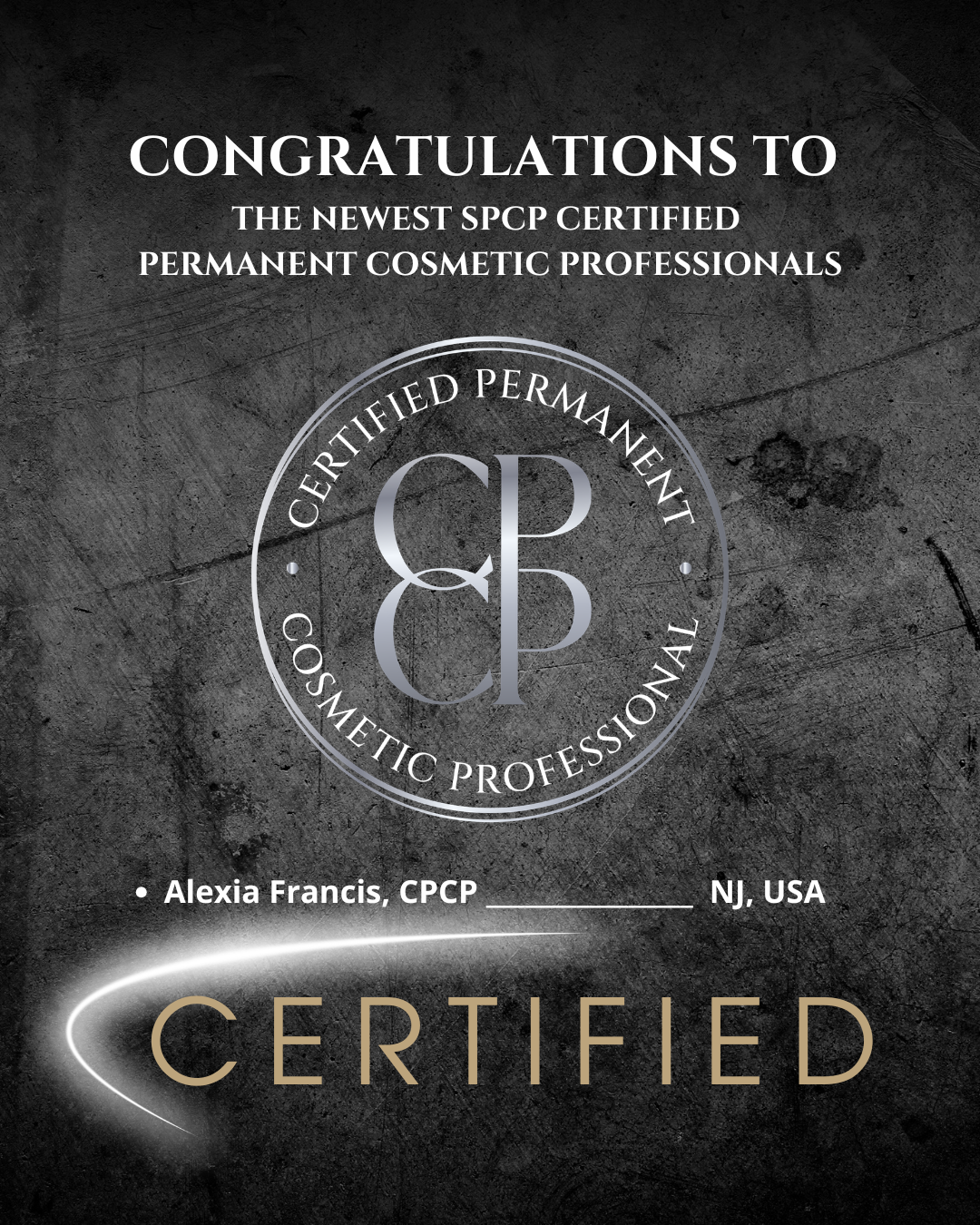
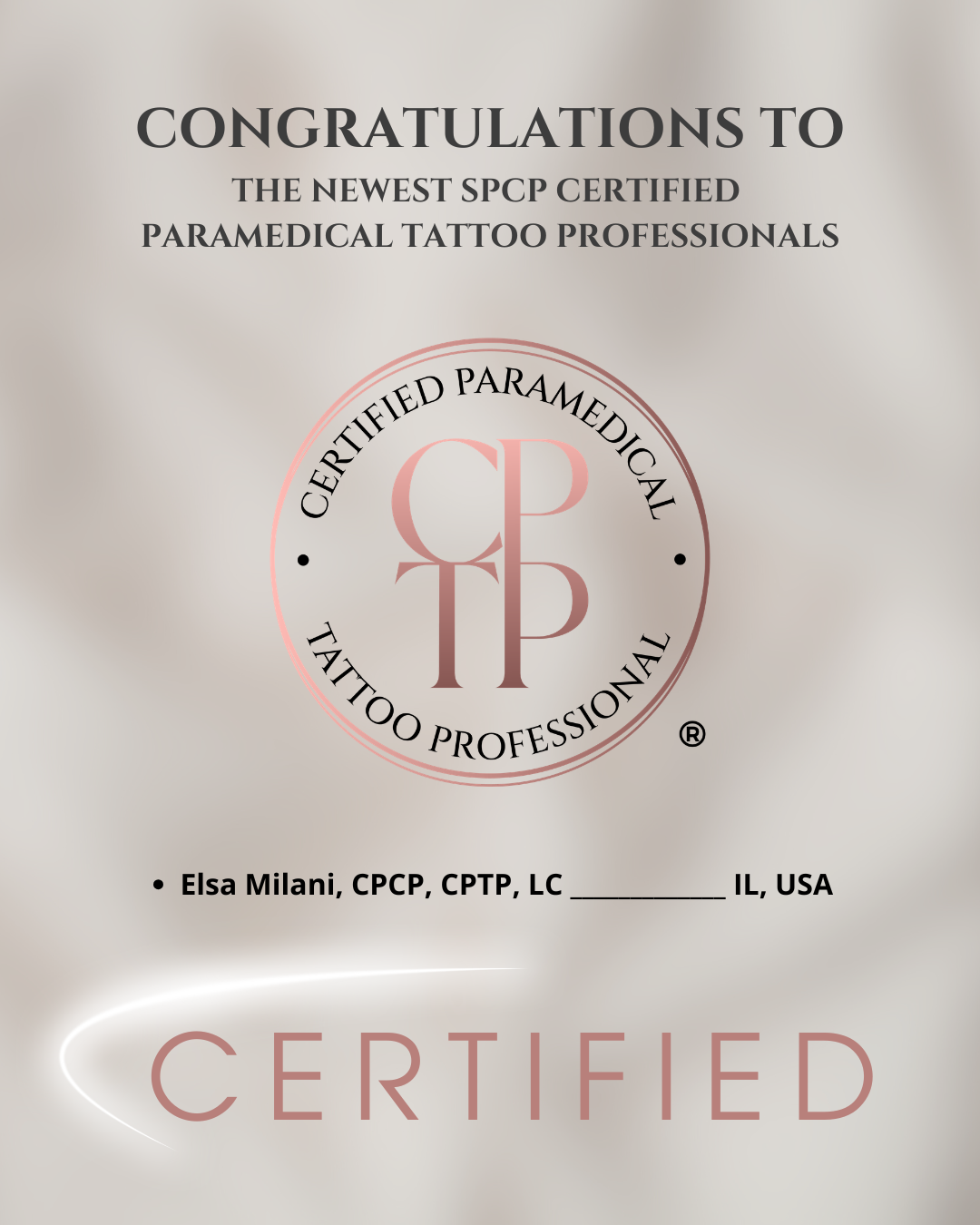
Congratulations to the newest CERTIFIED PARAMEDICAL TATTOO PROFESSIONAL
Congratulations to Cynthia Bowen on becoming an SPCP Approved Trainer!
CYNTHIA BOWEN - Remembertlc.com
The Certified Paramedical Tattoo Professional (CPTP) exam is now available online. Applications are open.
The CPTP designation is the first certification developed specifically for paramedical tattooing, including nipple/areola restoration and scar camouflage.
Created to establish clear professional standards, this credential formally recognizes practitioners who demonstrate competency, knowledge, and ethical responsibility within this specialized field.
Approved candidates can schedule their secure online exam at a time convenient to them. There is no longer a need to wait until "exam day."
For professionals seeking to distinguish their expertise in paramedical tattooing, eligibility requirements and application details are available here: https://spcp.org/paramedical-tattoo-certification
2026 SPCP Convention
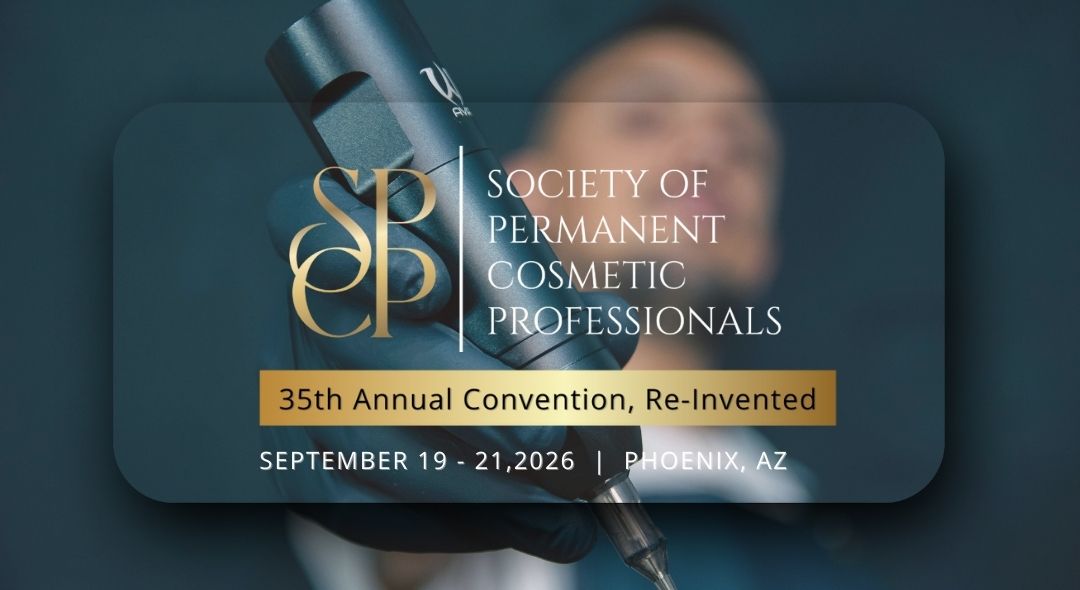
September 19 - 21 in Phoenix, AZ
The 2026 SPCP Convention workshops and presenters have officially been announced 👏
This year’s event is focused on deeper education, hands-on learning, and today’s most in-demand PMU topics taught by respected industry educators.
🎟️ Tickets are still available
⚡ Save 10% OFF with code SPCP2026
⏳ Discount ends soon
Get your ticket and find out all about the workshops & presenters on the official Convention website: https://spcp.org/convention
New Benefit for Members
SPCP Subject Matter Expert (SME) Program
We’re excited to be bringing back the SPCP Subject Matter Expert (SME) program — newly revamped and better than ever.
This refreshed program will reconnect SPCP members with highly experienced CPCP or CPTP professionals who have been selected by the SPCP Board of Directors for their specialized knowledge within permanent cosmetics and paramedical tattooing.
Through the SPCP Members' Portal, members are able to submit questions and receive guidance from trusted experts in specific areas of the industry. In addition, SME's will contribute educational articles to our monthly newsletters and share insights that support best practices, professional standards, and continued learning.
The goal of the revamped SME program is simple: to give SPCP members direct access to credible expertise while strengthening knowledge across our professional community.
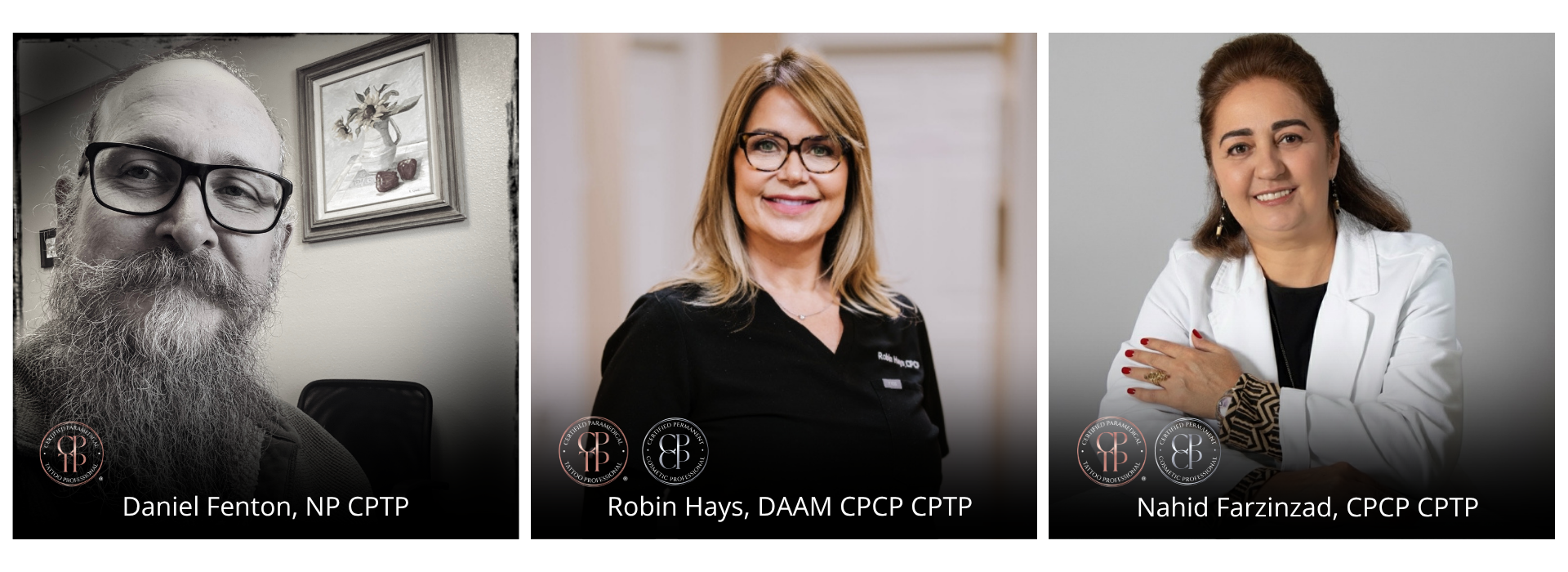
We are pleased to introduce our new SPCP SMEs:
READ MORE ABOUT THE SPCP's SME PROGRAM HERE: SME INFORMATION
Sip 'n' Share Replay
We're excited to share that the following replay is now available:
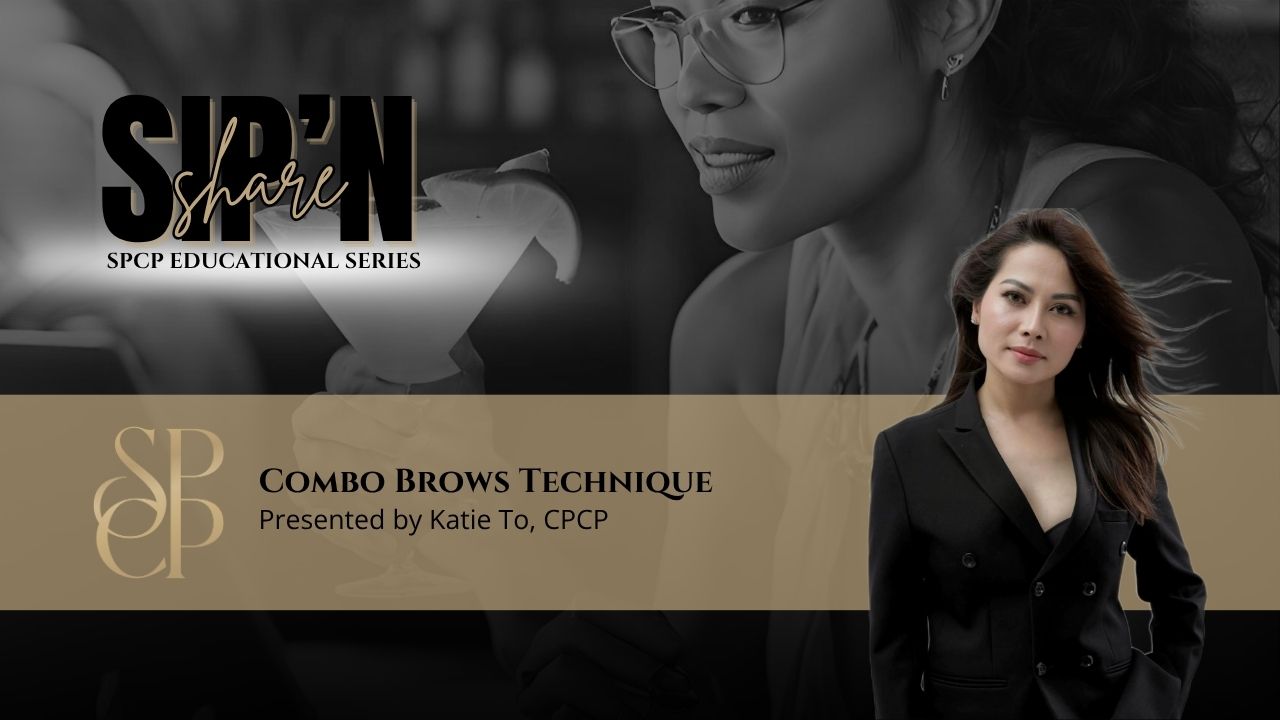
SPCP Sip 'n Share | TOPIC: Creating Nano Brows - When there is nothing to map. Presented by Katie To, CPCP.
ARTICLE 1.
The Pitfalls of Third-Party Billing in the Tattoo Industry (Medical Billing Focus)
The tattoo industry has evolved far beyond traditional body art. Today, many tattoo artists are working in medical-adjacent spaces—offering services like paramedical tattooing, scar camouflage, areola restoration, and SMP (scalp micropigmentation). With that evolution comes a new opportunity: insurance reimbursement through third-party medical billing.
On paper, this sounds like a win-win—clients get financial relief, and artists expand their business. But the reality is far more complicated.
1. The Illusion of Easy Money
Third-party billing companies often market themselves as a turnkey solution:
• “We handle everything”
• “Get paid through insurance”
• “Increase your revenue effortlessly”
What they don’t emphasize is how complex and restrictive medical billing actually is.
Medical billing requires:
• Proper CPT/ICD coding
• Medical necessity documentation
• Physician involvement (in many cases)
• Compliance with strict healthcare regulations
Without these, claims get denied—and you don’t get paid.
2. Loss of Control Over Your Business
When you hand billing over to a third party, you’re also handing over a piece of your business.
Common issues include:
• Delayed payments with little transparency
• Limited access to claim status
• Billing decisions made without your input
• Contracts that lock you into long-term agreements
You may be doing the work, but someone else controls when—and if—you get paid.
3. High Fees That Eat Your Profit
Most third-party billing services charge:
• A percentage of each claim (often 20–40%)
• Setup or onboarding fees
• Ongoing administrative costs
By the time everyone takes their cut, your profit margin can shrink significantly—sometimes to the point where it’s not worth offering the service.
4. Increased Legal and Compliance Risk
Medical billing isn’t just paperwork—it’s regulated under healthcare laws.
If something is coded incorrectly or billed improperly, you (not the billing company) can be held liable.
Risks include:
• Insurance fraud accusations (even if unintentional)
• Audits and repayment demands
• Fines or legal action
Tattoo artists are rarely trained in healthcare compliance, making this a major blind spot.
5. Medical Necessity Is Hard to Prove
Insurance companies don’t cover tattoos for aesthetic reasons. Even in paramedical cases, services must meet strict “medical necessity” criteria.
That means:
• Detailed documentation
• Physician referrals
• Pre-authorizations
Even then, approval is not guaranteed. Many claims are denied simply because insurers still view tattooing as cosmetic.
6. Delayed and Unpredictable Payments
Unlike direct client payments, insurance reimbursement can take:
• Weeks
• Months
• Or never arrive at all
Denied claims often require resubmission, appeals, and more documentation—creating a time-consuming cycle that pulls you away from your actual work.
7. Client Confusion and Frustration
When insurance is involved, clients often expect:
• Full coverage
• Fast approvals
• Minimal out-of-pocket costs
When that doesn’t happen, frustration can fall back on you—even if the issue is with the insurance company or billing provider.
This can damage trust and your brand reputation.
8. Not All Services Qualify
Even within paramedical tattooing, not everything is billable.
Typically, only very specific procedures—like areola restoration post-mastectomy—have a chance of reimbursement. Services like:
• Scar camouflage
• Stretch mark tattooing
• SMP
…are often denied outright as cosmetic.
9. Administrative Burden
Even with a billing company, you’re still responsible for:
• Collecting patient documentation
• Coordinating with physicians
• Managing follow-ups
Instead of simplifying your business, it can actually make it more complex.
Final Thoughts
Third-party medical billing in the tattoo industry can be appealing—but it’s not a shortcut to easy revenue.
For most artists, it introduces:
• More risk
• Less control
• Lower profit margins
• Increased administrative workload
That doesn’t mean it’s impossible—but it does mean it should be approached carefully, with full understanding of the system.
The Better Approach?
Many successful artists choose to:
• Stay cash-based
• Offer payment plans
• Educate clients on reimbursement options they can pursue independently
This keeps control in your hands and avoids the pitfalls of a system that wasn’t designed for the tattoo industry in the first place.
Submitted by Megan Lively
ARTICLE 2.
Why I will be attending this years Convention
I’ll be attending the 2026 SPCP Convention because I still believe there is always more to learn in this industry. No matter how long you’ve been doing permanent makeup, it’s important to keep improving your skills, hearing different perspectives, and staying connected with other professionals who care about doing quality work.
What interests me most about this year’s convention is the focus on workshop-style education instead of just presentations. I like the idea of being able to really sit down, watch techniques more in-depth, ask questions, and actually practice and learn something useful that I can take back into my own work.
I also think there’s value in being around other artists who understand the challenges of this industry. Working in PMU can sometimes feel isolating, so having the chance to connect with people who are focused on education, safety, healed results, and professionalism is important.
I’m especially looking forward to some of the more advanced topics this year and seeing how other experienced artists approach their work. The launch of the new CSMP certification is also something I’m excited to learn more about.
For me, attending the SPCP Convention is simply about continuing to grow, learning from others, and staying involved in a profession that is always evolving.
Submitted by SPCP Member
Looking to join us at the Convention? You still have time to get 10% OFF your member ticket. Just add code: SPCP2026 at checkout.